

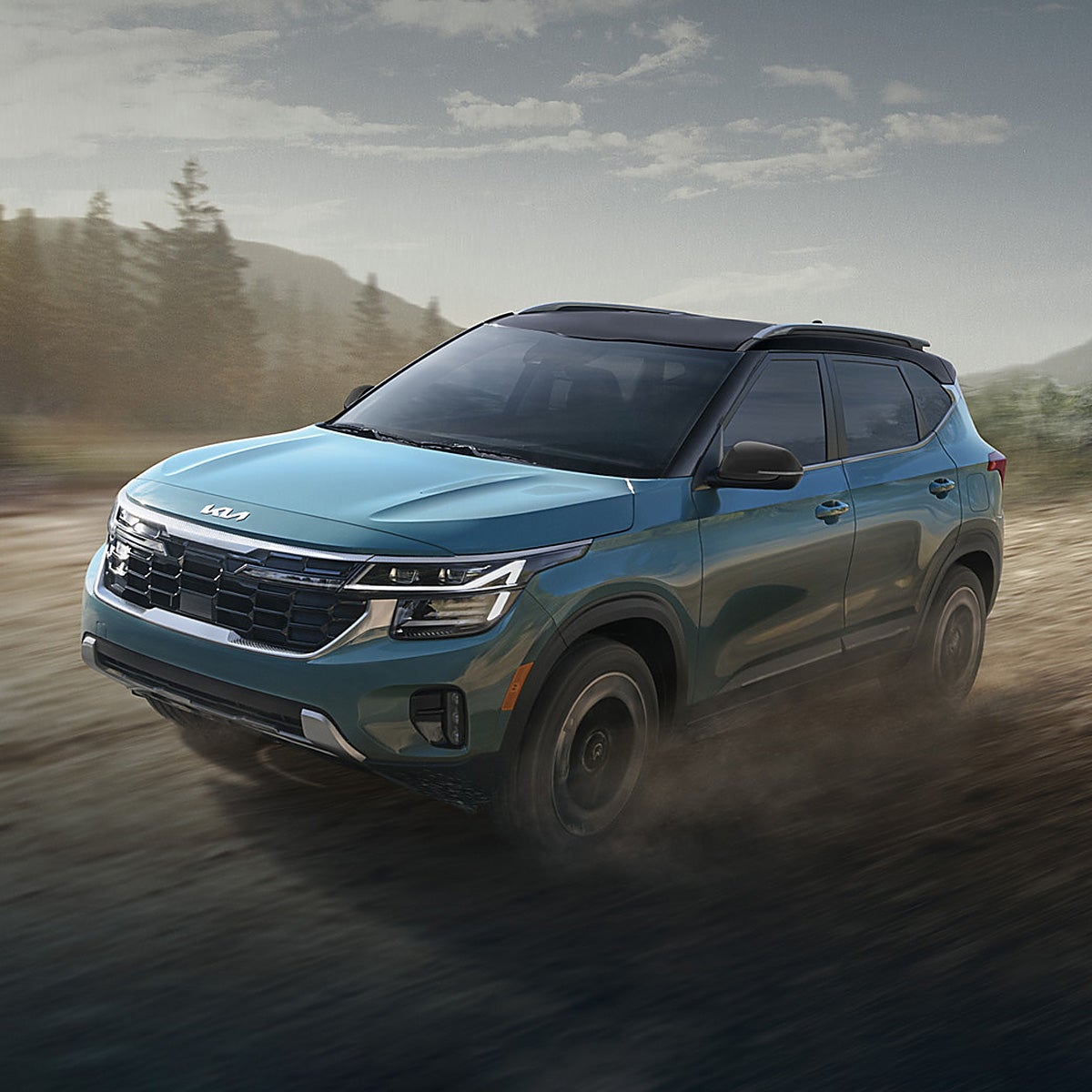
When you bought your Kia, you probably weren’t thinking about how much it would be worth a few years down the road. But you’re probably aware that thanks to depreciation, it’s worth less than you paid for it.
But what is depreciation? Explaining Kia depreciation simply comes down to this: depreciation is the difference between what you pay for a car and what it's worth when you sell or trade it in. Understanding this concept can help you make a smarter buying decision when you're shopping in Akron, OH.
What Is Vehicle Depreciation?
Let’s start with the basics. Depreciation is the gradual loss of a vehicle's value over time. A new car can lose a significant portion of its value within the first year of ownership, and that decline continues each year after that. Several factors influence how quickly or slowly a vehicle depreciates, including brand reputation, model reliability, demand in the used market, and overall condition.
Not all vehicles depreciate at the same rate. Some brands and models hold their value better than others, which is why it's worth researching before you buy.
How Kia Vehicles Hold Their Value Over Time
One of the most encouraging things about Kia ownership is how Kia vehicles hold their value over time compared to many other brands in the same segment. Kia has made tremendous strides in quality, reliability, and consumer perception over the past decade. That improved reputation directly impacts resale value, because buyers in the used market are more willing to pay a strong price for a vehicle with a solid track record.
Models like the Kia Telluride and Kia Sportage have consistently ranked well in retained value studies, reflecting real-world demand for these vehicles on the used market.
Key Factors That Affect Kia Resale Value
Understanding how Kia vehicles hold their value over time means knowing which factors matter most. Mileage plays a big role - lower mileage at trade-in typically means a higher resale value. Maintenance history is equally important. Vehicles that have been serviced regularly and kept in good condition will always command a better price.
Trim level is also important. Higher-trim Kia models often include more features that used-car buyers are looking for, which can slow depreciation. Color and available options can have a smaller but still real impact on what a buyer is willing to pay.
Tips to Protect Your Kia's Resale Value
There are practical steps you can take to help preserve your vehicle's value over time. Staying on top of routine maintenance - oil changes, tire rotations, and brake inspections - keeps the vehicle in strong mechanical shape. Keeping the interior and exterior clean and addressing minor damage quickly can also help at trade-in time.
Storing service records is another smart habit. Buyers and dealers alike respond positively to documented maintenance history, and it can translate to a noticeably better offer.
Why Depreciation Matters When You Finance or Lease
Kia depreciation explained through a financing lens is just as important. If you finance a vehicle that depreciates quickly, you risk owing more on the loan than the car is worth - a situation commonly called being "upside down." Choosing a vehicle with strong retained value, like many Kia models, can reduce that risk.
For lease shoppers, depreciation is directly tied to your monthly payment. A vehicle that holds its value better tends to have a lower residual loss, which can mean more favorable lease terms.
Visit VanDevere Kia to Learn More
Understanding Kia depreciation can take the guesswork out of buying your next vehicle. So, if you're weighing a new purchase, a trade-in, or a lease, knowing how value is retained over time puts you in a better position to negotiate and plan. Drivers throughout Akron, OH should drop by VanDevere Kia to explore current inventory and speak with a knowledgeable team member who can walk you through your options.
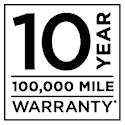 Warranties include 10-year/100,000-mile powertrain and 5-year/60,000-mile basic. All warranties and roadside assistance are limited. See retailer for warranty details.